Latest Book

Latest Book
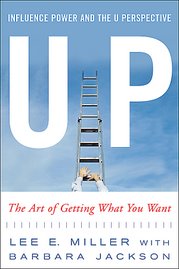
UP: Influence Power and the U Perspective-- The Art of Getting What You Want
Showing posts with label Interviewing. Show all posts

Sunday, April 27, 2008

Don't Make These Job Search Mistakes

Sunday, April 27, 2008

Before John Yocca found his current job, he had been unemployed for seven months. Unexpectedly laid off as part of a major downsizing, Yocca took some time off trying to figure out what he wanted to do.

Now a senior account executive with Stern and Associates in Cranford, Yocca eventually found temporary work in the golf industry, a passion of his, and began exploring the possibility of working full time in the field. After a while, though, Yocca got discouraged and decided to go back to what he knew best. So, he reached out to a recruiter he had worked with in the past.

By coincidence, the recruiter was working on a search for which he was particularly well-qualified. Within a day, Yocca had an interview; a week later, he had a job. In hindsight, Yocca says he wishes he had pursued his job search more diligently and reached out to his network much earlier.

With the economy losing 80,000 jobs in March, the third consecutive month of rising unemployment, many more people are likely to be facing a period of unemployment in the coming months. Some of those affected may find themselves out of work for an extended period of time. Should you find yourself among the casualties of what will hopefully be a brief economic downturn, avoid the common mistakes that can unnecessarily lengthen the time you look for work.

The most common problem for individuals who have been looking for a job for an extended period of time is "they get discouraged and lose their confidence," said Julie Kampf, president of JBK Associates, an executive recruiting firm in Engelwood. This can lead them to interview poorly and make bad decisions, such as accepting the wrong job out of fear nothing else will come along.

Here are some mistakes to avoid during a job search:

  • Don't wait to begin the job search. While trying to determine what you want to do next and not simply jumping at the first job that comes your way is a sound strategy, taking a long vacation is not. A few days off to clear your head and re-energize is fine, but then get to work. The sooner you start, the sooner you will find that next great opportunity.
  • Don't apologize for the time you have been unemployed. Let your potential employer know you have been focused on finding the right job and be able to describe the efforts you have made to do so.
  • Don't take rejection personally. Human resources professionals and executive recruiters are bombarded by résumés, e-mails and faxes from candidates. If they don't get back to you, be persistent, but don't be a pest. Finding a job is a "numbers game." The more opportunities you pursue, the better your chances.
  • Don't be embarrassed to ask your friends and business associates for help. "Those are the people who know you best and are the most likely to help you," says Kim Bishop, vice chairman of the national recruiting firm Slayton Search Partners, who is responsible for the firm's New York-New Jersey region.
  • Never stop networking. Reach out to your contacts on a regular basis, whether that means just checking in to say hello once a month, forwarding articles of interest or simply sending a birthday or holiday card.
  • "Objects in motion tend to stay in motion, while objects at rest tend to stay at rest, unless acted upon by an external force," says Newton's First Law of Motion. When it comes to finding a job, a similar principle comes into play. Employers are interested in people who are active and involved. They want to know you are positive, motivated and energetic. They are looking for someone who has been busy, even while engaged in a job search.

    So while you are looking, take courses that will enhance your skills, get involved in professional organizations and engage in volunteer work. This will not only expand your network, but will demonstrate you have been productive during the time you have been out of work. Consulting or freelance work also can be a plus, as long as it doesn't keep you from focusing on your primary objective of finding a job.

    The biggest mistake you can make when you are unemployed is to "rely on someone else to find you a job," Kampf says. People in your network, career coaches all can help you. They can offer ideas, provide leads and give you advice, but ultimately, you have to take responsibility for your own job search.

    A veteran human resources executive, Lee E. Miller is the author of "UP: Influence Power and the U Perspective -- The Art of Getting What You Want," and the co-founder of YourCareerDoctors.com, a website devoted to career success. Mail questions to Lee@YourCareerDoctors.com.

    Sunday, April 6, 2008

    Make Yourself a Perfect Match

    Sunday, April 06, 2008

    When I was a young associate at a law firm, one of the pleasant tasks assigned to us was taking law students who were interviewing for jobs out to lunch. This was an opportunity for the firm to have the candidate's contemporaries sell them on the virtues of why they should come to work there.

    On one occasion, several of us were out to lunch with a particularly impressive candidate. He had graduated from Princeton University and Yale Law School. He was smart, articulate and good looking, had excellent experience and seemed like he would fit in at the firm. His round of morning interviews had gone extremely well and our job was to convince him to join the firm.

    Lunch started out uneventful. We talked about sports, law school and life at the firm. We ordered our lunch and several carafes of wine. The conversation was quite animated.

    While we were eating and talking, the candidate reached for something to drink. Instead of his wine glass, he picked up a carafe and took a sip from it.

    I don't remember much else about the lunch, but within 10 minutes of our returning to the office, everyone was talking about the "candidate who drank wine from the carafe."

    While I am sure this outstanding law student had no trouble finding a job, he wasn't offered one by my firm. This incident highlights the importance interviewing plays in the hiring process. One little mistake can cost you a great opportunity.

    No matter how talented you are, your accomplishments do not sell themselves. Knowing how to interview makes all the difference in the world between getting the job you want and getting a letter thanking you for your interest. The good news is interviewing is a skill that can be learned.

    Effective interviewing starts with having the right mindset. It requires an understanding of how employers think and what they are looking for when they interview. To be successful, you have to do more than merely convince the interviewer you are a good candidate for the job.

    Everyone who actually gets an interview probably is a good candidate for the job. Your goal is to convince the interviewer that you, with your work history are the "perfect match" for the specific job they are trying to fill. To accomplish that during your interview, requires not only a positive attitude and enthusiasm for the job, but also an in-depth knowledge of the organization, your prospective boss and the challenges they face.

    That will enable you to emphasize those skills and experience that you bring which will be of particular interest to the employer. Here are some interviewing do's and don'ts that will enable you to stand out from all of the other candidates being considered for the job:

    DO

  • Prepare by finding out everything you can about the company, the job and your interviewer(s).
  • Ask knowledgeable questions.
  • Listen carefully and be responsive to the interviewer's interests.
  • Focus on accomplishments not responsibilities. Emphasize those that are most relevant to the job.
  • Make friends with the secretaries and assistants involved in the hiring process. They are an excellent source of information and assistance.
  • Be positive and enthusiastic at all times.
  • When you finish interviews demonstrate your enthusiasm by asking for the job.
  • DON'T

  • Don't ever say anything negative about a prior employer, even if it is true.
  • Don't interrupt the interviewer.
  • Don't discuss politics or religion
  • Don't be too deferential to the interviewer. Ask questions; take thoughtful positions and support them in a firm but respectful manner.
  • Don't talk about salary. If you must, talk about it as little as possible until you get an offer.
  • The interview is often described as the most critical aspect of the hiring process. It is your best chance to gain an advocate for being hired. Winning over the people who are interviewing you requires understanding what is important to them.

    Although you are the same person with the same skills, experience and accomplishments regardless of who is interviewing you, what you chose to emphasize is up to you. So focus on what is most important to each person that interviews you.

    A veteran human resources executive, Lee E. Miller is the author of "UP: Influence Power and the U Perspective -- The Art of Getting What You Want." He is also the co-founder of YourCareerDoctors.com, a website devoted to career success. Mail questions to Lee@YourCareerDoctors.com.

    Saturday, March 15, 2008

    GETTING AHEAD BY UNDERSTANDING THE PEOPLE YOU NEED TO INFLUENCE


    What determines why one person is selected for a job or a promotion and another is not? Most people believe that the answer to that question lies with the qualifications of the individuals being considered. If, like most people, you answered that the candidate with the most relevant skills and experience gets the job, you would be wrong. If someone is able to obtain a job interview or is being considered for a promotion, they are likely to be qualified to do the job. However, so are all the other candidates being considered for the position. The key to being selected is to distinguish yourself from all of the other qualified candidates.

    Standing out from the crowd has more to do with your understanding of the employer’s U Perspective than it does with your qualifications. An employer’s U Perspective is ‘what they care about.” Employers are not looking for the candidate with the best qualifications because there is no such thing as the “best qualified candidate” in the abstract. There is only the best candidate for a particular job as the person or persons making the decision see it. To show that you are the right person for the position you are seeking requires understanding the U Perspective of the people involved in making the decision to hire or promote you.

    While in most organizations there are a common set of shared values referred to as the organization’s culture, you don’t interview with an organization. You interview with individuals. For most jobs, you will have to interview with more than one person. Each person who interviews you sees the job somewhat differently. They define the perfect candidate as the perfect candidate for them. To convince an interviewer that you are the right person for the job, you need to figure out what the interviewer cares about.

    How each person defines that ideal candidate usually can be found in the answer to the question “What can this candidate do for me?” Individuals tend to see the answer to that question differently depending on their role in the organization. Someone from Human Resources will have a different U Perspective than someone in Finance and both will differ from what your future boss will be looking for in a job candidate.

    Typically a Human Resources executive is looking for the obvious choice -- someone who will be readily accepted by everyone involved. That way the Human Resources executive can fill the position quickly, satisfy his or her clients and move on to other work. He or she also needs to be able to the articulate reasons why you are the best candidate for the job. If a candidate has all the right skills and experience, and fails, no one will blame the Human Resources executive for recruiting someone who was clearly wrong for the job. On the other hand, if that individual favors someone who doesn’t fit the job specifications’ exactly, even if the candidate is otherwise outstanding, and it doesn’t work out, the Human Resources executive is likely to face criticism. So, when you interview with a Human Resources executive demonstrate how you meet all the important qualifications for the job. Be prepared with specific examples of things that you have done in the past that relate to the types of problems the company is currently facing.

    Sometimes a Finance executive will be involved in the hiring process. What is their U Perspective? The Finance executive wants someone who they will be able to work with -- someone who knows how to stay on budget and help reduce expenses or generate revenues. Those are the skills you want to emphasize if you happen to be interviewing with a Finance executive.

    The hiring manager, your future boss, is looking for someone who can help solve his or her most pressing problems, whatever they are. Even Human Resources and Finance executives will have a different U Perspective when hiring or promoting someone who will work for them than when they are recruiting for someone else. The hiring manager has immediate needs and wants someone to help take care of those needs. Hiring managers are most likely to be focused on whatever they deem to be the most significant problem they face at that moment. They want someone that can have an immediate impact. Therefore, the most important question you can ask your prospective boss is, “What is it at work that keeps you up at night?” The answer to that question will help you determine the hiring manager’s U Perspective. That is what you should focus on. If you can help the interviewer deal with those issues, you have gone a long way toward getting the job.

    While you are the same person, with the same skills, experience and personal qualities no matter who is interviewing you, what you chose to emphasize makes all the difference in the world. Remember each person with whom you interview views the job being filled slightly differently based on how they interact with that position. That is why it is their U Perspective. When you are talking about your ability to do the job, how you are seen by the interviewer depends on what you choose to emphasize. Focus on what is most important to the person interviewing you.

    Sunday, November 4, 2007

    What is the U Perspective and Why Do You Care


    Someone's U Perspective is how they see the world-- what they care about. Their U Perspective will inform the way an individual sees a particular situation and how they are likely to respond to it. How someone else views what is going on may be very different from how you see it.

    There are specific techniques that can help you determine someone's U Perspective. Once you take the time and effort to understand someone, you can determine what motivates them generally and what will motivate them under the circumstances. That might be money, friendship, status, helping others or any of a number of other motivators. That allows you not only to predict what they are likely to do, but also to affect their behavior.

    If you correctly understand someone's U Perspective and operate from it in a non-judgmental way, you will be in sync with what they are thinking and therefore will be able to influence their actions. Their point of view - their U Perspective - lets you know what they need and want. If you can provide that to them in a way that suits my needs as well, I can create a mutually beneficial solution. In negotiating or sales terms, this is a win/win solution. In leadership terms it is how you gain buy-in from your employees. In reality it is more powerful than either of these concepts. Everyone’s values are respected and solutions are found that are expressly suited to each individual’s wants and needs.

    This is especially true in terms of how a prospective boss see a candidate. If you understand their U Perspective you know which of your skills and experience to emphasize when you are being interviewed. Hiring manager's are typically motivated by the need to solve the most immediate challenges they are confronting. If you can show someone how you can help them solve the problems that are keeping them awake at night, you are well on your way to getting the job or the promotion you seek.

    Tuesday, August 28, 2007

    Interviewing Do's and Don't

    A recent survey showed that almost half the people working today are considering leaving their jobs. The difference between success and failure when it comes to getting a new job is your ability to interview. The more effective you are when you interview the better your chances of getting the job you want. So here are some Dos and Don'ts for interviewing:

    INTERVIEWING DOs
    1) Prepare: Find out everything you can about the company, the job and the interviewer.
    2) Focus on accomplishments not responsibilities.
    3) Ask knowledgeable questions.
    4) Make friends with the secretaries and assistants involved in the hiring process.
    5) Be enthusiastic.
    6) Always be positive.
    7) Ask for the job.

    INTERVIEWING DONTs
    1) Don't ever say anything bad about a prior employer, even if true.
    2) Avoid being too deferential to the interviewer.
    3) Don’t interrupt the interviewer.
    4) Avoid talking about salary, or talk about it as little as possible, until you get an offer.
    5) Do not assume you can’t negotiate a better deal. (You can if you know how and when to do so)
    For more information go to YourCareerDoctors.com